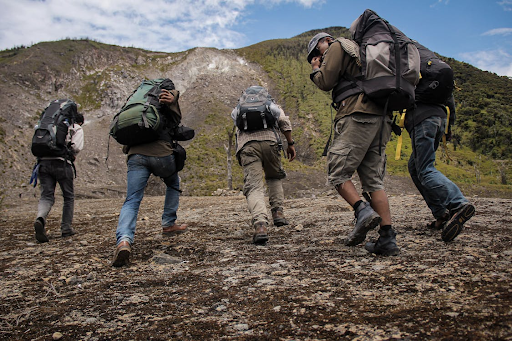
Adventure travel offers a valuable, unique opportunity for personal growth regarding volunteer work and community impact. Adventure volunteering has several benefits beyond the immediate experience.
Here’s why nonprofit volunteers should consider adventure travel as part of their volunteer effort.
Personal Development
First and foremost, adventure travel encourages immense personal growth. In most cases, volunteers are pushed beyond their comfort zones through physical and mental challenges. Such experiences help develop resilience, self-confidence, and problem-solving skills. For example, moving to remote areas or completing physically demanding tasks develops the person’s ability to adjust and prosper in unknown environments.
Enhanced Teamwork and Collaboration
One of the major characteristics of adventure travel is teaming or collaboration. Volunteers sometimes split into groups to complete similar tasks, such as building infrastructure, teaching, and dispensing healthcare. It is in these shared experiences of surmounting hardships and reaching milestones that bonds are created and communication is developed. The element of teamwork in its operations is vividly illustrated by organizations such as Team Kat & Mouse, who encourage teamwork and many other skills in fundraising consulting and training.
Cultural Immersion and Awareness
Adventure travel also provides deep cultural immersion and awareness. This enables volunteers to live in communities, learn their customs, appreciate their way of life, expand perspectives, develop respect and empathy for diverse cultures, and raise awareness regarding various aspects, like economic issues faced by local populations. Volunteers come back home with heightened senses of global issues and recommit to their acts of making a difference.
Physical and Mental Health Benefits
Another major advantage of adventure travel is that it allows both physical and mental health benefits. Physical activities like hiking, climbing, or at least extensive walking allow for improved physical health. Other than that, natural environments decrease stress levels and produce positive effects on mental health. Self-esteem and happiness can be enhanced through the accomplishment of completing challenging tasks.
Skill Acquisition
Moreover, volunteers acquire skills useful for personal and professional purposes, such as the ability to move across complex terrain, speak foreign languages, or function with minimal resources. These are transferable skills in almost all aspects of life, thus enhancing career opportunities. Employers tend to value unique experiences and skills acquired through adventure travel.
Strengthened Commitment to Volunteering
Last but not least, adventure travel’s thrill and satisfaction can rekindle a volunteer’s love for helping others. Such experiences are well remembered because of the combination of adventure and altruism, keeping these people involved in nonprofit work. Volunteers will remain loyal and even encourage others to join such initiatives.
The numerous benefits available to volunteers through adventure travel include enhancing personal growth, teamwork, and cultural immersions for mental and physical health. At the same time, it allows them to acquire new skills and promotes commitment to service. Well, after all, with an eye on making a massive difference in life, combining travel with volunteering is one of the best avenues. Nonprofit organizations are potent examples of how adventure travel can deeply impact volunteers and the communities being served.